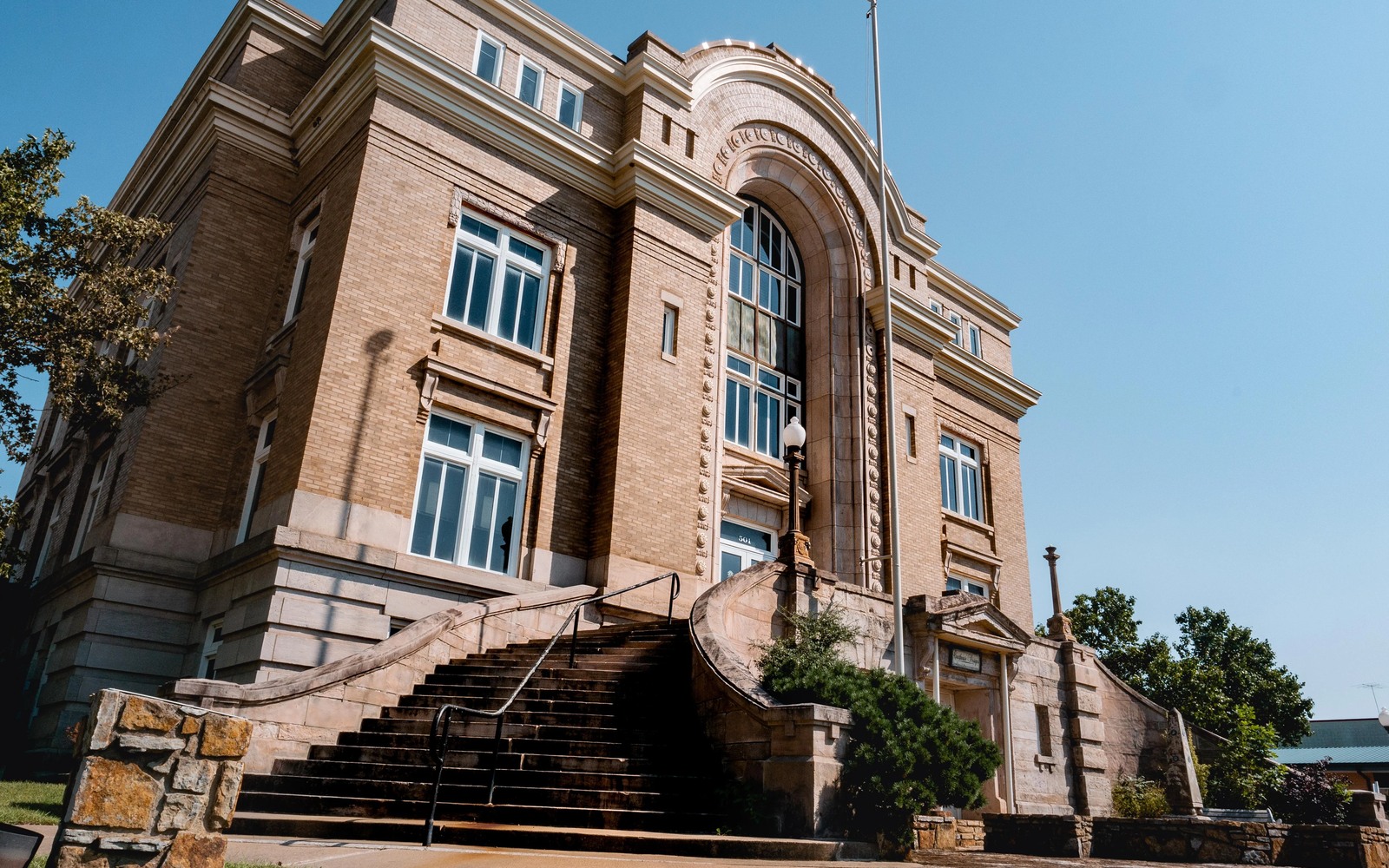
Sell Mineral Rights in Bartlesville, OK
That small check that shows up every quarter from a Bartlesville-area interest, is it worth more sitting in your mailbox or converted to cash now.
Bartlesville grew up as Phillips Petroleum's home base, and the oil business there is older than most of the state's other producing counties. What confuses a lot of owners today is that a Bartlesville-area interest is not always a standard fee mineral. Depending on where the tract sits, ownership can run through the Osage Nation's mineral trust rather than a typical warranty deed, and that distinction changes almost every step of a sale.
Headright or Fee Mineral: Which One Do You Actually Own
Most of Osage County's subsurface was never severed into individually owned tracts the way the rest of Oklahoma was. Instead, the mineral estate is held in trust by the federal government for the benefit of Osage headright holders, and leasing across the county is administered through Osage Minerals Council lease sales rather than a private landowner signing with an operator directly.
A Bartlesville-area owner outside the Osage trust, meanwhile, may hold an ordinary fee mineral interest tied to a specific legal description, which follows the standard county deed and probate process. The two situations require different paperwork, different transfer rules, and in the case of a headright, approval steps that a fee-mineral sale does not involve.
Before we ever discuss a number, we ask which category your interest falls into, because guessing wrong at the outset wastes weeks.
Why the Check Amount Moves From Quarter to Quarter
Bartlesville sits above a mix of legacy conventional production, some of it dating back a century, alongside newer activity in the surrounding fields. Older shallow wells tend to produce a long, low, fairly steady stream, while any newer horizontal work nearby can swing a statement up or down depending on completion timing.
Osage headright distributions are pooled and paid out on a set schedule tied to overall county production and pricing, which is a different mechanism than a typical royalty check tied to one specific well. Fee interests near Bartlesville, by contrast, track the individual well or unit they are attached to.
Either way, a single quarter's number rarely tells you what the interest is actually worth long term, which is why we ask for a longer payment history before putting together a range.
What We Need From You to Get Started
For a fee mineral interest, we start with the deed or probate that shows how you acquired it, then confirm the current record at the courthouse in Pawhuska before quoting anything.
For a headright, we confirm your status with the Osage Nation's records and walk through what a transfer actually requires, since it is not the same closing process as a standard deed and can take longer.
In both cases the goal is the same: an honest range based on what is actually producing, not a flat number pulled from a county average.
Questions Oklahoma owners ask
How do you know if your interest is a headright or a fee mineral?
The clearest way is to check how you acquired it. Headrights trace back to the original Osage allotment rolls and pass through Osage Nation records, while fee minerals are conveyed by ordinary deed and recorded at the county courthouse. We can help confirm which applies to your interest.
Can a headright be sold the same way as a fee mineral interest?
No, headright interests follow a separate transfer process tied to Osage Nation and federal trust rules, not the standard county deed process used for fee minerals. We walk owners through the correct steps once we know which type of interest is involved.
Why does your Bartlesville-area check vary so much from quarter to quarter?
It depends on the interest type and the production behind it. Pooled headright distributions move with overall county activity and pricing, while a fee interest tied to a specific well tracks that well's own production and any downtime.
Is an older, low-producing well still worth selling an interest in?
Often yes. A long-running conventional well can carry steady value even at a modest volume, and in some cases a tract with no current production but strong nearby activity is worth more than an aging low-volume well.
Keep reading before you sign
Sell Mineral Rights in Beckham County, OK
Inherited or long-held minerals in Beckham County, Oklahoma? See how basis, income timing, and deep Anadarko Basin gas production shape a sale decision.
Sell Mineral Rights in Bessie, OK
Not sure if your Bessie-area mineral interest is even producing? See how to check, what it means for value, and how we quote an offer range.
Sell Mineral Rights in Binger, OK
What is this small check you get every month from a Binger-area mineral interest actually worth? See how Caddo County ownership and value are assessed.