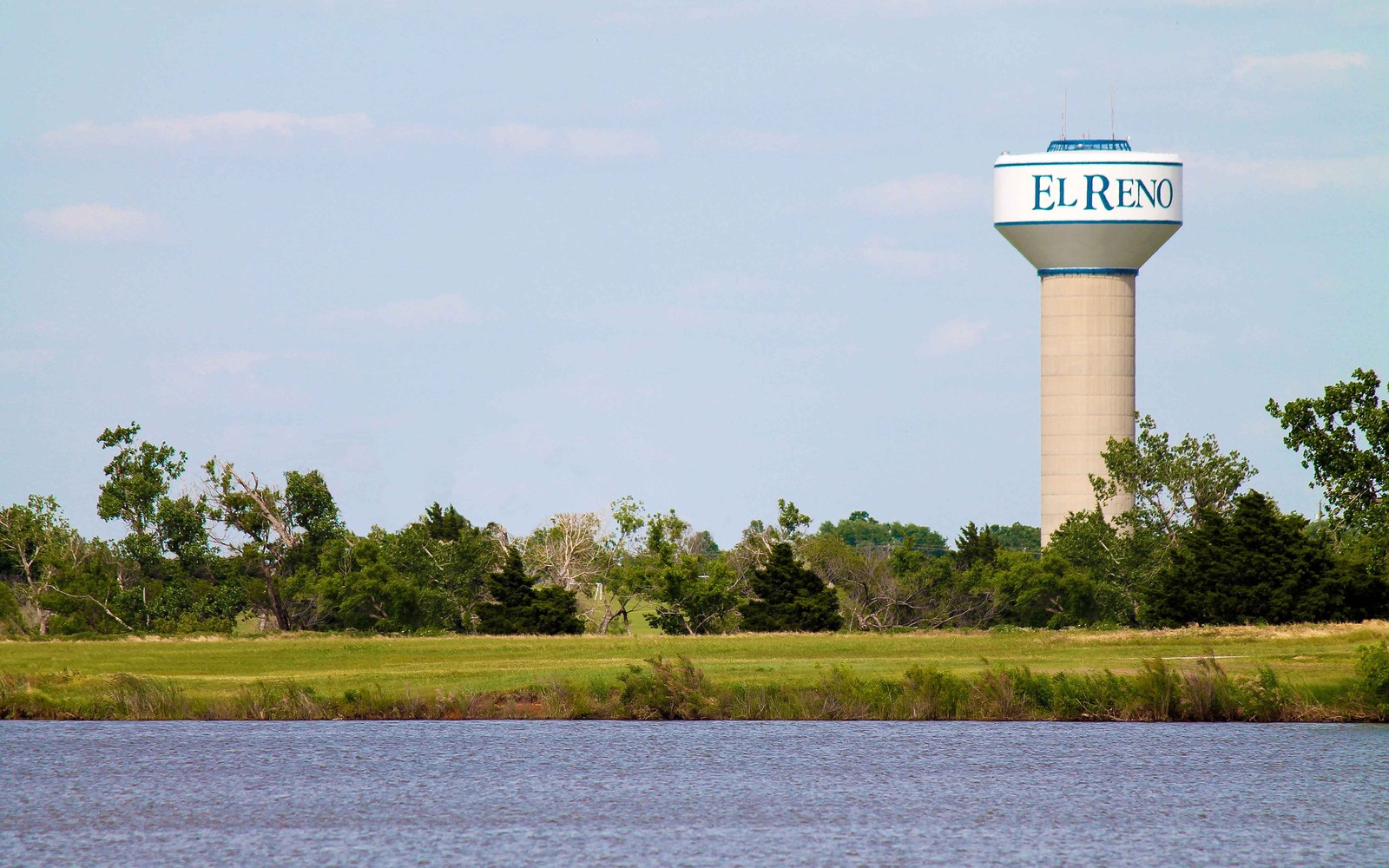
Sell Mineral Rights in El Reno, OK
El Reno sits in Canadian County, close enough to Oklahoma City that some of its mineral acreage has residential and commercial development pressure layered on top of active STACK drilling.
Canadian County was among the earliest and most heavily drilled counties in the STACK play, and El Reno-area tracts have generally seen more well density than more peripheral STACK counties further west. That density is useful context, but the specific value of your interest still comes down to your tract's own production history and remaining undrilled locations.
Because this county is also seeing suburban growth pushing out from Oklahoma City, some mineral owners here are weighing not only oil and gas value but how nearby development might affect future drilling access — worth factoring in if your acreage sits near town.
Core STACK density near El Reno
Canadian County has some of the highest well counts per section in the STACK play, meaning a producing tract here is more likely to already have multiple wells across different bench zones than acreage further out in Blaine or Dewey County. If your division orders show more than one well, that's consistent with the density typical of this part of the play, not an anomaly worth questioning.
This density also means the case for additional future drilling on an already-developed unit is weaker than it would be on a less-drilled tract — most of the near-term upside in a heavily developed unit has often already been captured.
Suburban growth and drilling access
As Oklahoma City's metro area extends into eastern Canadian County, some previously rural sections near El Reno have seen residential platting move closer to producing units. Surface development doesn't extinguish mineral rights, but it can make future drilling logistically harder or push operators toward setback and permitting requirements that slow new activity.
If your tract is in a stretch seeing this kind of growth, that's a reasonable factor in deciding whether to sell now while production and access are both still straightforward, versus holding for uncertain future development.
Comparing a sale to reinvesting the proceeds
For many El Reno-area families, the honest comparison isn't mineral rights versus cash under the mattress — it's a concentrated, single-commodity, single-operator-dependent royalty stream versus a diversified investment portfolio that a lump-sum sale could fund. That comparison looks different depending on your age, your other holdings, and your tax situation for the year of sale.
It's worth running that comparison with real numbers rather than a general sense that 'oil and gas is a good investment' or 'you should just keep what your grandfather left you.' Both instincts are understandable; neither is a plan.
Locate the tract in the Oklahoma record
The tract should be reviewed through the county and legal description that control the minerals, not only through a mailing address or city label. Identify the section, township, range, county, operator or payor, current owner, and any OCC cause or order number. Then match the tract to spacing, pooling, well, and title records that actually touch the property.
Read nearby activity without overextending it
A permit, completion, or pooling cause near the tract can provide context, but distance alone does not prove that the same formation, unit, operator plan, or economics apply. Compare legal descriptions, landing zones, unit geometry, first-production dates, and operator chronology. Nearby evidence belongs in the file with its limits clearly stated.
Check the local title path
County recording practices, older reservations, probate history, trust ownership, marital interests, and entity changes can shape the closing path for the tract. Trace deeds and estate records forward to the current owner, then compare that chain with the respondent list, division order, and paid decimal. Curative work should be identified before accepted terms depend on a closing date.
Build the decision from tract-specific facts
A sale range for the tract should separate producing income, leased but undrilled acreage, open minerals, and prospective development. State the records and assumptions supporting each component. The owner can then compare keeping the interest, selling a portion, or conveying the full interest with the order, tract, decimal, title requirements, and written transaction terms visible in one place.
Questions Oklahoma owners ask
Why does your El Reno tract have more than one producing well?
Canadian County is one of the most densely drilled STACK counties, with multiple wells often targeting different formations under the same acreage. Multiple wells on one tract is common here.
Does residential growth near El Reno affect your mineral rights?
Your ownership isn't affected, but nearby development can make future drilling logistically more complex, which is a reasonable factor to weigh when deciding whether to sell or hold.
Is there still undrilled upside on an already-developed unit?
Often less than on undeveloped acreage, since a heavily drilled unit has typically already captured much of its near-term potential. Check your specific unit's well count and completion dates.
How do you compare selling your minerals to keeping the royalty income?
Model the after-tax lump sum against the discounted value of continuing royalty payments, factoring in decline and commodity risk. That comparison, not a gut feeling, should drive the decision.
Keep reading before you sign
Sell Mineral Rights in Elmore City, OK
Elmore City sits in Garvin County, core SCOOP territory. See how Woodford oil production and small-town ownership patterns shape your minerals' value.
Sell Mineral Rights in Empire City, OK
Empire City sits in Stephens County near Duncan's oilfield corridor. What SCOOP proximity and legacy leases mean for your mineral rights value.
Sell Mineral Rights in Erick, OK
Erick, OK sits at the Texas line in Beckham County's deep gas fairway. What that border-county position means for your mineral interest's value.