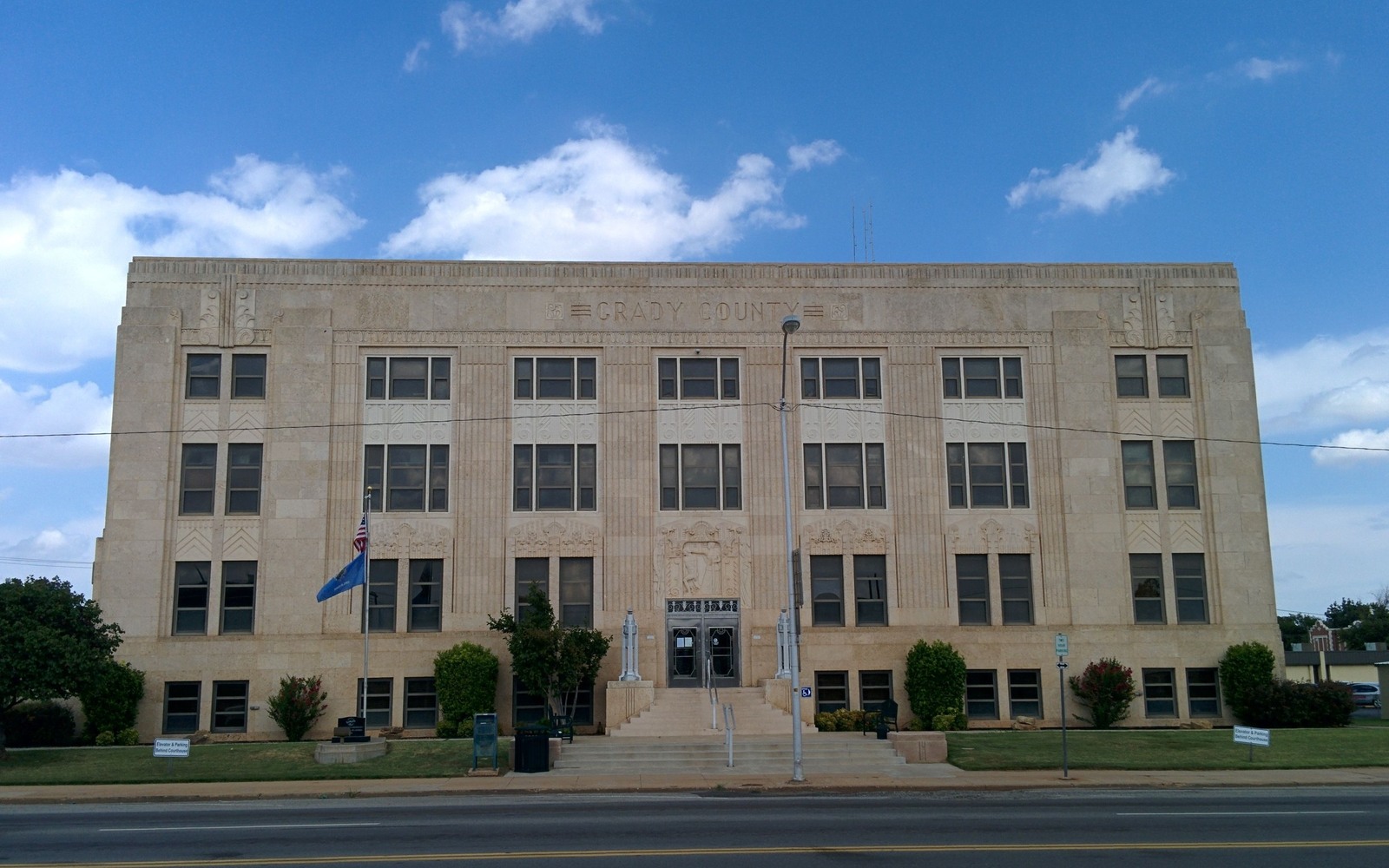
Sell Mineral Rights in Grady County, OK
Grady County, led by Chickasha, is one of the more consistently drilled counties in the SCOOP oil window, with Woodford Shale horizontal development stretching across much of its productive acreage since the play's earliest years.
Grady County sits close to the southern edge of the Oklahoma City metro, which gives it a slightly different character than more purely rural SCOOP counties further south — real oilfield activity alongside genuine suburban and commercial growth pressure in parts of the county closest to Chickasha and the Interstate 44 corridor. For a mineral owner here, both dynamics are worth understanding.
Whether your family's minerals sit near Chickasha itself, in the more rural southern and western stretches of the county, or somewhere in between, the same discipline applies: your specific tract's production history, net mineral acres, and title status determine value far more than the county's overall reputation as strong SCOOP territory.
A well-established SCOOP county with real production depth
Grady County was among the earlier counties to see substantial Woodford horizontal development, which means owners here generally have access to more years of production data than in some of the play's more recently developed peripheral counties. That longer track record supports more confident valuation — a buyer working from three to five years of decline data can price your interest with less uncertainty than one working from a well only a year or two into production.
As elsewhere in the SCOOP core, multi-well pad development has been common, so a single producing unit in Grady County may include wells drilled at different times, sometimes years apart, adding complexity but also additional royalty streams to a single mineral owner's overall position.
It's worth checking whether your unit still has undrilled locations, since a mature unit that's already been fully developed carries a different value profile — less speculative upside, but a clearer, more predictable decline path — than one with real remaining drilling potential.
Suburban growth pressure near Chickasha and the Interstate 44 corridor
As Oklahoma City's metro area continues to extend outward, parts of Grady County closest to Chickasha and the interstate corridor have seen real residential and commercial development pressure, which can complicate future drilling logistics even though it has no effect on existing mineral ownership. If your tract sits in one of these growth-adjacent areas, it's a legitimate factor to weigh when deciding whether to sell now, while drilling access remains straightforward, or hold for potential future development.
This dynamic is genuinely different from the calculation facing owners in more rural, purely agricultural SCOOP counties, and it's worth having someone familiar with both the oil and gas fundamentals and local growth patterns help you think through the tradeoff rather than treating it as a standard rural mineral rights decision.
Reading your specific position before comparing to a headline number
Grady County's strong reputation within SCOOP can create a temptation to anchor on high-end numbers heard secondhand rather than your own tract's actual data. Before forming any expectation, pull your recent royalty statements — ideally 18 to 24 months — and confirm which formation and which specific wells are producing under your unit.
It's also worth separating your gross royalty income from your net mineral acre position; two owners receiving similar-sized checks can have very different underlying decimal interests and therefore very different sale values, depending on the well's total production and the number of other owners sharing the unit.
Once you have a clear, tract-specific picture, compare the after-tax value of continuing to hold — factoring in expected decline and commodity price risk — against the after-tax value of a lump-sum sale. That comparison, done with real numbers rather than assumptions carried over from a neighbor's experience, is what actually should drive the decision.
Weighing a sale against your broader financial picture
A Grady County mineral interest, however strong its production history, remains a concentrated, illiquid, single-commodity asset — useful income when things are going well, but genuinely exposed to oil price cycles and operator decisions outside your control. For families looking to diversify, simplify a multi-heir estate, or fund a specific need, a sale converts that exposure into something more flexible.
For families comfortable holding through commodity cycles, particularly where a unit has real remaining undrilled potential, continued ownership can make sense too. There's no default right answer — only an informed one, built on your specific production data and an honest look at how this asset fits alongside everything else you own.
Questions Oklahoma owners ask
Is Grady County considered core SCOOP territory?
Yes, generally — Grady County was among the earlier and more consistently developed SCOOP counties, though results still vary by section, so your specific tract's production history is what actually sets value.
Does growth near Chickasha affect your mineral rights?
Your ownership isn't affected, but nearby residential or commercial development can make future drilling logistically more complex, which is worth weighing if your tract sits in a growth-adjacent area.
How do you know if your Grady County unit still has undrilled locations?
Check your pooling order and recent permit activity through OCC records tied to your legal description. A fully developed unit has a different value profile than one with remaining drilling potential.
Why might two owners with similar royalty checks have different sale values?
Sale value depends on net mineral acres and decimal interest in the unit, not only the size of a recent check. Two owners can receive similar income with very different underlying ownership positions.
How much production history should you gather before getting a valuation?
At least 18 to 24 months of statements, so the decline trend is clear. Grady County's longer development history often means more data is available than in newer SCOOP counties.
Keep reading before you sign
Sell Mineral Rights in Canadian County, OK
Minerals under El Reno, Mustang, Yukon, or Piedmont? Canadian County sits at the STACK's southern edge — here's what that means for a sale.
Sell Mineral Rights in Kingfisher County, OK
Kingfisher County mineral owner? Multi-well STACK units mean your royalty may cover wells beyond your own tract — see how that reshapes a fair valuation.
Sell Mineral Rights in Stephens County, OK
Stephens County, home to Duncan and core SCOOP acreage, offers real value to mineral owners. We evaluate interests as part of a family's broader financial plan.