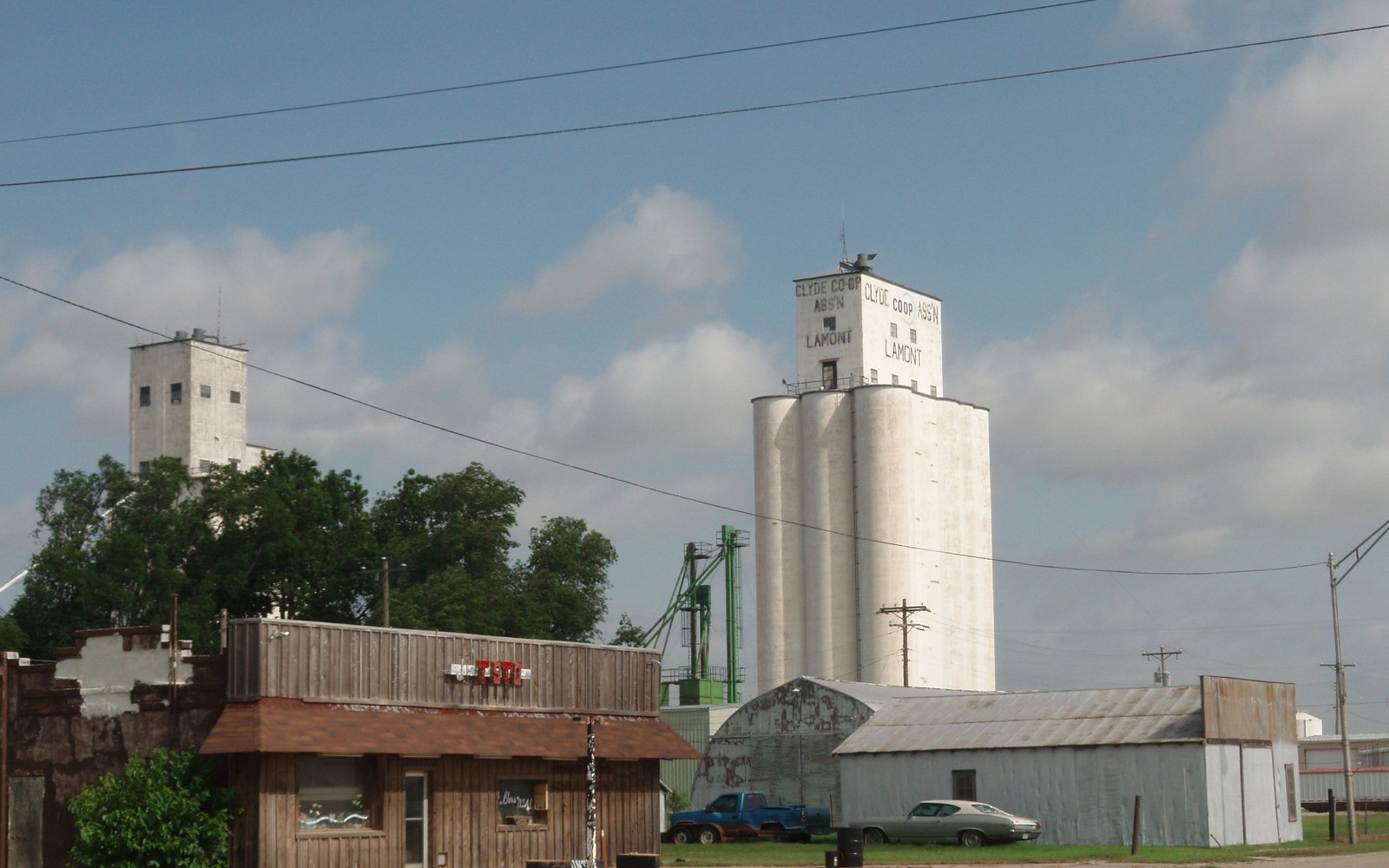
Sell Mineral Rights in Lamont, OK
By the time we get a call about minerals near Lamont, it's often three or four family members on the same email thread, each holding a piece of what used to be one grandparent's interest.
Grant County land has stayed in families for generations, and the mineral interests attached to it have usually been divided the same way the land itself was — split among children, then split again among grandchildren, until what started as a single ownership becomes a half-dozen small fractional shares.
That's completely normal, and it doesn't complicate a sale nearly as much as families sometimes fear. Each person's share can be evaluated and sold on its own; nobody needs the whole family to agree at once.
Handling a Family With Several Owners
We're glad to work with one family member who's ready to sell, even if siblings or cousins holding the rest of the interest aren't ready or interested. We'll also work with multiple family members at once if that's easier — either way, each person's confirmed fraction gets its own evaluation and its own offer.
What's Actually Under Grant County
Grant County saw a serious push into Mississippi Lime horizontal drilling between roughly 2012 and 2015 before operators shifted focus south to the STACK core. Land near Lamont carries a mix of wells from that era, now several years into decline, layered over older conventional production from decades before. We check which era's wells actually touch your family's section before saying anything about value.
Confirming Everyone's Exact Share
We pull Medford courthouse deed and probate records to confirm precisely what percentage belongs to each family member asking about a sale, since informal understandings within a family don't always match what's actually recorded.
Locate the tract in the Oklahoma record
The tract should be reviewed through the county and legal description that control the minerals, not only through a mailing address or city label. Identify the section, township, range, county, operator or payor, current owner, and any OCC cause or order number. Then match the tract to spacing, pooling, well, and title records that actually touch the property.
Read nearby activity without overextending it
A permit, completion, or pooling cause near the tract can provide context, but distance alone does not prove that the same formation, unit, operator plan, or economics apply. Compare legal descriptions, landing zones, unit geometry, first-production dates, and operator chronology. Nearby evidence belongs in the file with its limits clearly stated.
Check the local title path
County recording practices, older reservations, probate history, trust ownership, marital interests, and entity changes can shape the closing path for the tract. Trace deeds and estate records forward to the current owner, then compare that chain with the respondent list, division order, and paid decimal. Curative work should be identified before accepted terms depend on a closing date.
Build the decision from tract-specific facts
A sale range for the tract should separate producing income, leased but undrilled acreage, open minerals, and prospective development. State the records and assumptions supporting each component. The owner can then compare keeping the interest, selling a portion, or conveying the full interest with the order, tract, decimal, title requirements, and written transaction terms visible in one place.
Questions Oklahoma owners ask
your mineral interest near Lamont is split among several cousins — can you still buy your share?
Yes. Each co-owner's confirmed fractional interest can be sold independently, and other family members are free to hold or sell theirs separately.
Do you buy mineral rights specifically around Lamont?
Yes, throughout Grant County, using courthouse records and current well activity rather than a flat county-wide rate.
Is there value left after the Mississippi Lime boom slowed down?
Often yes, though the value looks different than during the peak drilling years. Wells several years into decline still produce, and we evaluate that history alongside comparable transactions.
How is a lump-sum sale taxed?
Generally as a capital gain rather than ordinary income, though the specifics depend on your basis and holding period — confirm the details with your CPA or tax advisor.
Keep reading before you sign
Sell Mineral Rights in Leedey, OK
Own minerals near Leedey, Dewey County, on the deep western edge of STACK? We explain why these wells cost more and what that means for value.
Sell Mineral Rights in Lehigh, OK
Own minerals near Lehigh, Coal County, a former mining town? We evaluate Springer and Goddard gas history against Coalgate courthouse records fairly.
Sell Mineral Rights in Lindsay, OK
Recent SCOOP permits near Lindsay, Garvin County? A new lateral nearby often shows up in your royalty check before you hear about it any other way.