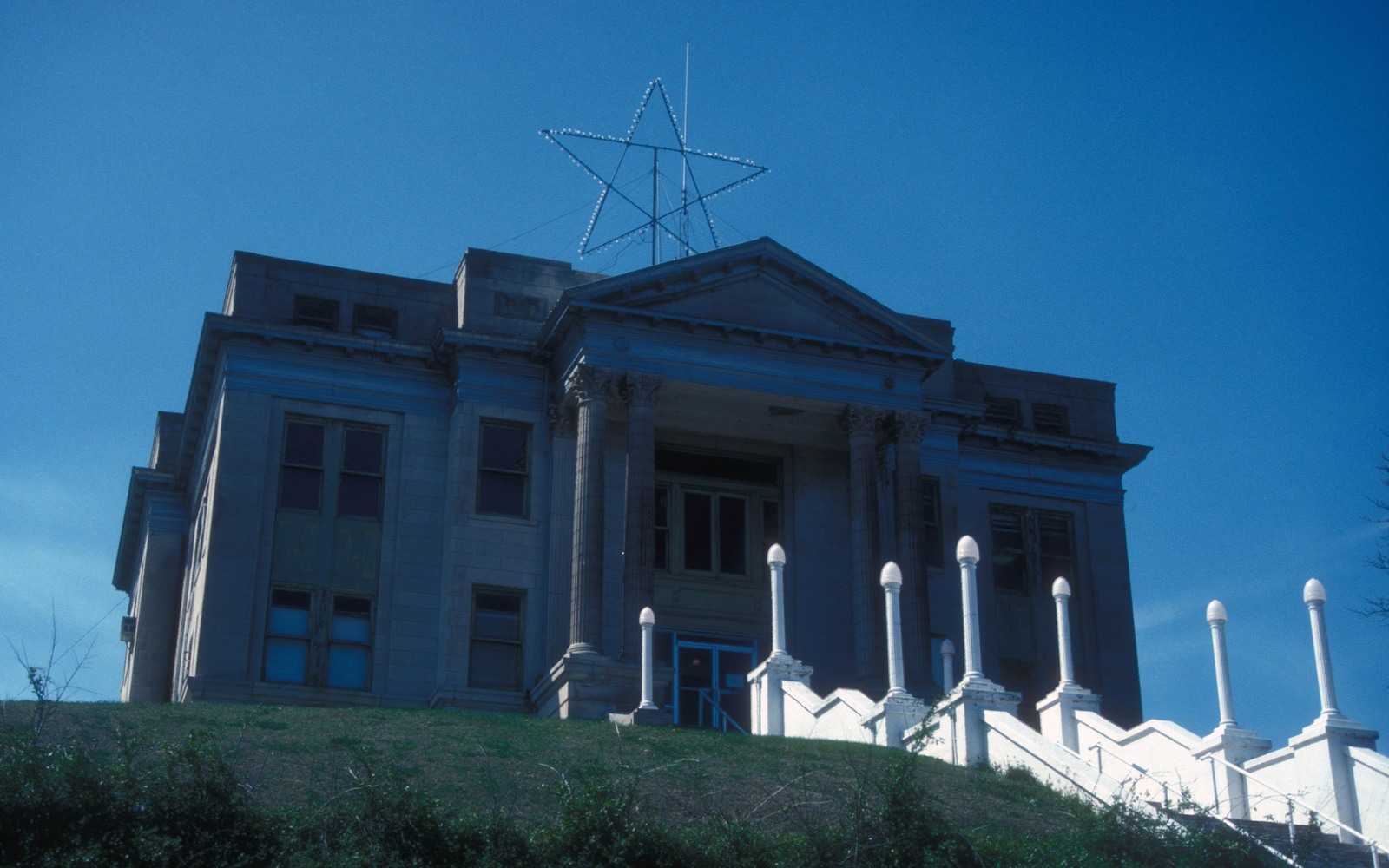
Sell Mineral Rights in Pawhuska, OK
Pawhuska is both the Osage County seat and the headquarters of the Osage Nation, making it the administrative center for the headright system that governs most mineral ownership across the reservation.
For families dealing with a headright interest connected to Osage County, Pawhuska is generally where the relevant offices and records sit — from the Osage Minerals Council to the county clerk handling any conventional fee mineral interests that exist alongside the tribal estate. Understanding which office to work with starts with understanding which type of interest a family actually holds.
Pawhuska's role in headright administration
The Osage Minerals Council, based in Pawhuska, oversees leasing and royalty distribution across the reservation's headright system, historically through periodic lease auctions that set the terms for development county-wide. A family with a headright interest connected to this area will generally find that the Council, alongside the Bureau of Indian Affairs, is central to any transfer, rather than a private operator or a standard title company alone.
When fee mineral interests also apply
Alongside the headright system, some Pawhuska-area interests are conventional fee minerals acquired through transactions outside the original 1906 reservation grant, and those transfer through the Osage County clerk's office the same way minerals do elsewhere in Oklahoma. We confirm which type a family holds first, since the office, the paperwork, and the approval process differ substantially between the two.
What continuous county-wide production has meant for value
Osage County has produced oil and gas continuously since some of the earliest days of the Oklahoma industry, and that long, broad production base is part of what has historically supported headright income across the reservation. We look at recent leasing activity reported through the Minerals Council alongside any well-specific data for fee interests, since the two draw on very different underlying pictures.
Locate the tract in the Oklahoma record
The tract should be reviewed through the county and legal description that control the minerals, not only through a mailing address or city label. Identify the section, township, range, county, operator or payor, current owner, and any OCC cause or order number. Then match the tract to spacing, pooling, well, and title records that actually touch the property.
Read nearby activity without overextending it
A permit, completion, or pooling cause near the tract can provide context, but distance alone does not prove that the same formation, unit, operator plan, or economics apply. Compare legal descriptions, landing zones, unit geometry, first-production dates, and operator chronology. Nearby evidence belongs in the file with its limits clearly stated.
Check the local title path
County recording practices, older reservations, probate history, trust ownership, marital interests, and entity changes can shape the closing path for the tract. Trace deeds and estate records forward to the current owner, then compare that chain with the respondent list, division order, and paid decimal. Curative work should be identified before accepted terms depend on a closing date.
Build the decision from tract-specific facts
A sale range for the tract should separate producing income, leased but undrilled acreage, open minerals, and prospective development. State the records and assumptions supporting each component. The owner can then compare keeping the interest, selling a portion, or conveying the full interest with the order, tract, decimal, title requirements, and written transaction terms visible in one place.
Questions Oklahoma owners ask
Where do headright transfers get processed?
Generally through the Osage Minerals Council and the Bureau of Indian Affairs, both connected to Pawhuska as the Osage Nation's headquarters, rather than through a standard county title company alone.
How do you know if you have a headright or a fee mineral interest near Pawhuska?
Headright interests trace back to Osage lineal descent and the original 1906 allotment, while fee minerals were acquired through ordinary transactions outside the reservation grant. We help confirm which applies to your family before moving forward.
Does Osage County's long production history affect headright value?
It contributes to the overall picture, since headright income reflects leasing and production activity across the whole reservation rather than a single well. We look at recent Minerals Council activity as part of any valuation.
Keep reading before you sign
Sell Mineral Rights in Pershing, OK
Pershing sits within the Osage Nation's reserved mineral estate near Skiatook Lake — what headright and fee mineral owners here should understand.
Sell Mineral Rights in Phillips, OK
Phillips, Coal County, sits in the southern Arkoma Basin — a plain look at gas production, ownership patterns, and mineral value in this area.
Sell Mineral Rights in Piedmont, OK
Piedmont sits on Kingfisher County's STACK edge amid fast suburban growth — a grounded look at mineral value, split estate, and sale timing.