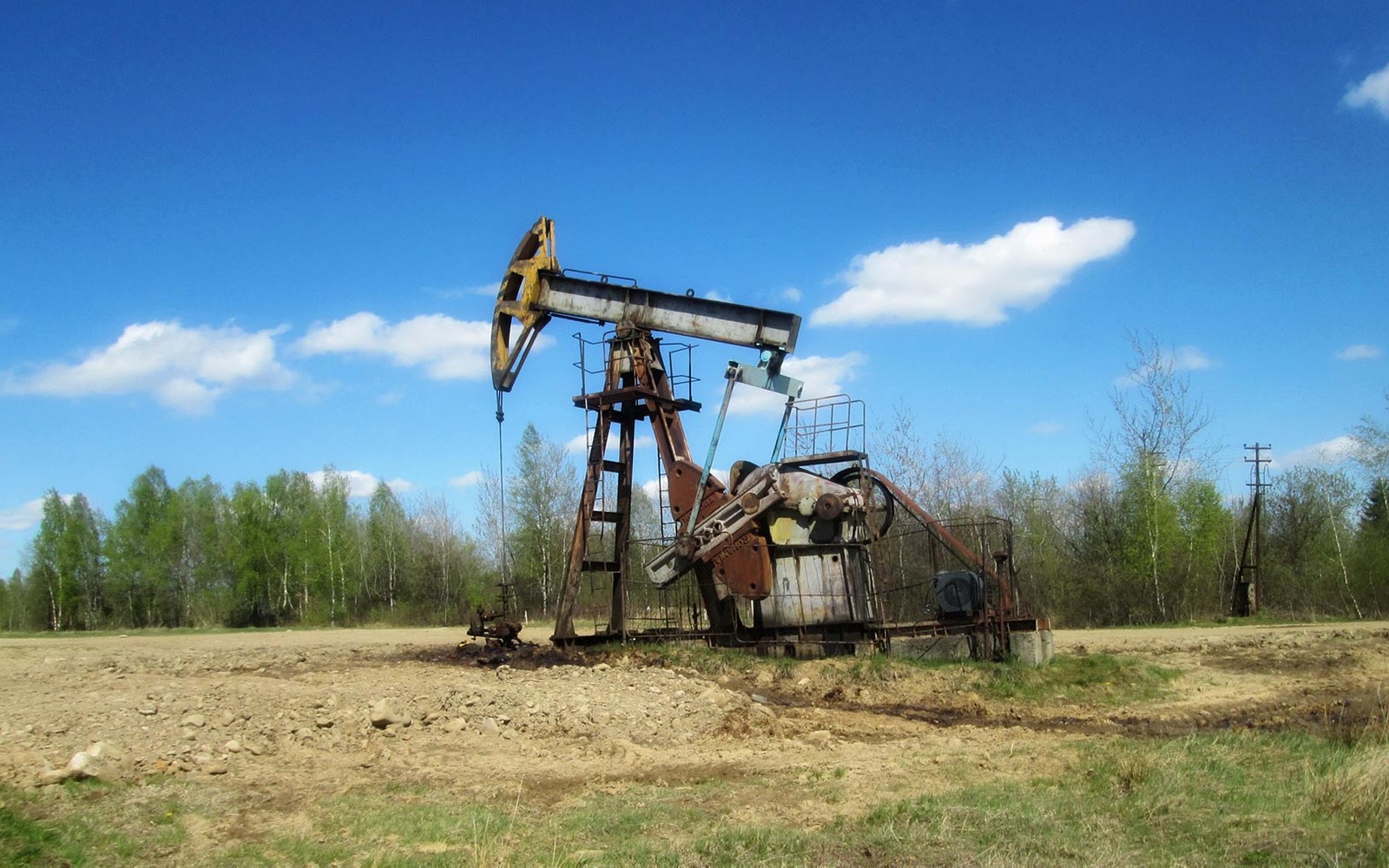
Non-Participating Royalty (NPRI)
A non-participating royalty interest gives you a share of production income with no say in leasing decisions at all - not even the limited control a standard mineral owner has - which makes it a distinct interest to understand before you sell it.
A Non-Participating Royalty Interest, or NPRI, is a royalty carved directly out of the mineral estate that specifically excludes the right to lease, negotiate bonus payments, or receive delay rentals - the NPRI owner only receives their share of production royalty once a well is producing, full stop. It's a narrower interest than a standard royalty carved out of a lease, and it's a narrower interest than owning minerals outright, and understanding that distinction matters for valuation.
NPRIs are common in Oklahoma because they were frequently reserved in old deeds - a landowner selling a tract sometimes retained a royalty share without keeping any leasing rights, or a mineral owner conveyed away the leasing rights to a family member while keeping a royalty for themselves. If you inherited one, it may be described in a decades-old deed using language that isn't obvious at first read.
What you don't control - and why that's fine for a sale
As an NPRI owner, you have no vote on whether the underlying minerals get leased, what royalty rate the mineral owner negotiates, or when a well gets drilled - you simply receive your fixed royalty share once production exists. That lack of control doesn't reduce the value of a producing NPRI, since a buyer is purchasing the income stream itself, not the leasing authority behind it.
It does mean that an unleased or undrilled NPRI is harder to value than unleased mineral acreage, since you're relying entirely on someone else's decision to eventually lease and drill. We factor that dependency into the valuation for non-producing NPRIs, which tend to be priced more conservatively than an equivalent mineral interest for that reason.
Reading an old deed to confirm what you actually hold
Because NPRIs are often created by decades-old reservation language, confirming the exact fraction and whether it's a fixed royalty or a floating share tied to whatever royalty rate future leases carry is an important first step. A 'fixed' NPRI pays the same royalty fraction regardless of what rate a future lease sets; a 'floating' NPRI moves with the lease rate negotiated by the mineral owner - the difference can meaningfully change the value depending on current lease terms in your area.
If your deed language is unclear or you've simply been told you own 'a royalty' without more detail, send us what documentation you have and we'll research the county records to pin down exactly what type of interest and what fraction you hold.
Valuing a producing versus non-producing NPRI
A producing NPRI is valued much like a standard royalty interest - based on the production trend, decline curve, and remaining reserve life of the wells it's tied to. A non-producing NPRI on acreage that hasn't been leased is valued more speculatively, weighted by whether the underlying mineral owner appears active (recent leasing nearby, for example) or whether the acreage has sat dormant for years with no signs of leasing activity.
Either way, we start from the same place: confirming your exact interest through the deed and county records, then pricing it against current production or activity data rather than a generic estimate.
Why NPRIs sometimes get overlooked entirely
Because NPRI owners don't receive lease bonus offers or delay rental notices, some owners genuinely don't realize they hold an active interest at all until a royalty check unexpectedly arrives following a new well, or until they're doing estate research and find an old reservation deed. If you've come across language in a family deed referencing a reserved royalty without any accompanying leasing rights, that's worth investigating even if you've never received a payment.
We're glad to research county records for a suspected NPRI even before you've confirmed it's producing, since knowing what you hold - and whether it's currently active - is useful information on its own, independent of any decision to sell.
Questions Oklahoma owners ask
What's the difference between an NPRI and a regular mineral interest?
A mineral owner can lease the acreage, negotiate bonus and royalty terms, and receive delay rentals. An NPRI owner has none of that authority - they only receive a royalty share once production exists, with no say in leasing decisions.
How do you know if your NPRI is 'fixed' or 'floating'?
The original deed language determines this - a fixed NPRI pays a set royalty fraction regardless of the lease rate; a floating NPRI moves with whatever rate the mineral owner negotiates. If the deed language isn't clear to you, we can help interpret it as part of researching your interest.
Can you sell an NPRI on acreage that's never been leased?
Yes, though it's valued more conservatively than a producing NPRI since it depends entirely on someone else eventually leasing and drilling the underlying minerals.
Do you need the mineral owner's permission to sell your NPRI?
No, an NPRI is your own separate property interest and you can sell it independently of the underlying mineral owner's decisions or involvement.
you found old deed language mentioning a reserved royalty but you have never received a payment - what does that mean?
You may hold an NPRI on acreage that hasn't been leased or drilled yet, which explains the lack of payments so far. We can research the deed and county records to confirm what you actually hold and whether there's current activity nearby.
Keep reading before you sign
Overriding Royalty Interests (ORRI)
Own an overriding royalty interest (ORRI) tied to an Oklahoma lease? Understand how it differs from a mineral royalty and how it's valued to sell.
Royalty Interests
Own a royalty interest tied to Oklahoma oil and gas production? See how royalty checks translate into a sale value and what buyers actually look at.
Surface vs. Mineral Estate
Confused whether you own the surface, the minerals, or both on Oklahoma land? Learn how severed estates work and what selling minerals really means.