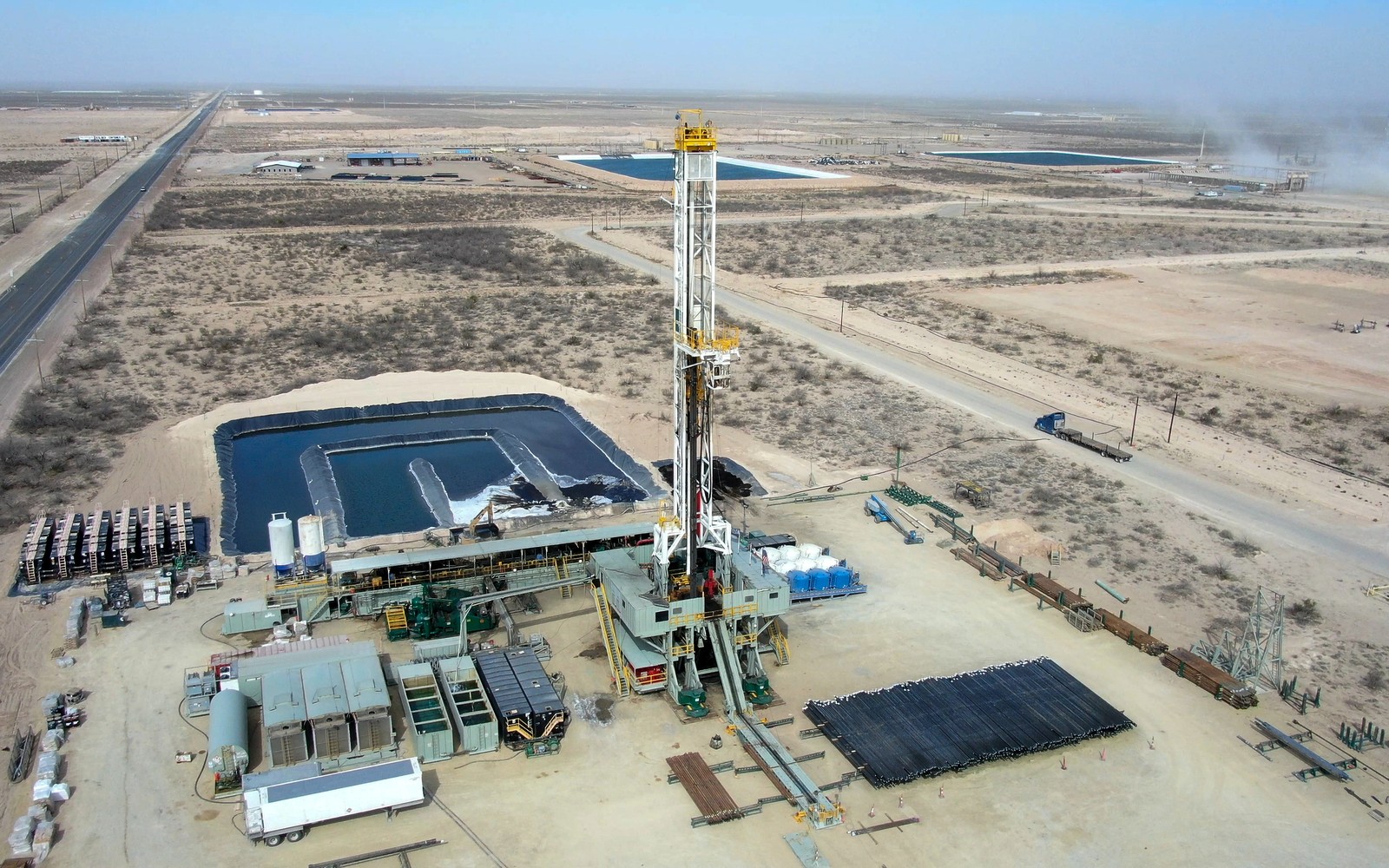
Working Interests
A working interest is the one ownership position in oil and gas that comes with real, ongoing obligations attached - you share in the costs of drilling and operating a well, not only the revenue - which makes it a fundamentally different asset to hold and to sell than a royalty.
If you're paying joint interest billing statements every month rather than only receiving a check, you hold a working interest, not a royalty. That means you're entitled to a proportional share of production revenue, but you're also on the hook for a proportional share of drilling, completion, and operating expenses - including plugging costs when the well eventually reaches the end of its economic life.
Working interests most often land with families through an earlier generation's direct participation in drilling a well - buying into a small non-operated position, sometimes decades ago - rather than through a typical mineral inheritance. If you've been receiving JIB statements you don't fully understand, or costs that seem to eat into your revenue unpredictably, that's the normal texture of owning a working interest.
Why costs and liability make this different from a royalty sale
Because a working interest carries expense obligations, its value isn't simply a function of revenue the way a royalty is - it's net revenue after your proportional share of operating costs, and it comes with ongoing exposure to future costs like workovers, recompletions, or eventual plugging and abandonment liability. A well with strong gross production can still be a marginal working interest if operating costs are high relative to that revenue.
This is also why many owners of small, non-operated working interests eventually look to sell - the ongoing liability and paperwork (partnering with an operator you don't control, reviewing JIB statements, potential cash calls for future work) is a lot of administrative weight for what's often a modest net interest.
What we look at when valuing a working interest
We review the well's production history net of typical operating costs, the operator's track record and financial standing where that information is available, and any known future capital needs - a planned recompletion or workover the operator has flagged, for example. We also confirm whether you're current on any joint interest billing, since outstanding obligations affect the transaction.
Non-operated working interests, where you have no say in day-to-day decisions but still share the costs and revenue, are the most common structure we see from individual and family owners, and they're generally straightforward to value once we have production and cost history to review.
Selling relieves you of future cost exposure, not only current income
Unlike selling a royalty, which simply converts a future income stream to cash today, selling a working interest also transfers your share of future cost obligations - including the eventual plugging liability - to the buyer. For many owners, that removal of open-ended future liability is as much a reason to sell as the cash itself, particularly for older wells approaching the end of their economic life where plugging costs become a real consideration.
We'll walk through both sides of that with you plainly: what you're giving up in potential future net revenue, and what you're being relieved of in future cost exposure, so the decision is based on the full picture rather than the revenue line alone.
Operated versus non-operated positions
An operated working interest, where you or your family entity actually runs day-to-day decisions on a well, is far less common for individual owners and comes with a different, heavier set of responsibilities than the non-operated positions most families hold. If you somehow hold an operated interest, it's worth confirming that distinction clearly before any sale, since the transaction and the buyer pool both look different than for a passive non-operated stake.
For the large majority of individual working interest owners, the position is non-operated - you receive statements and pay your share of costs, but an operator makes the actual decisions about drilling, workovers, and eventual plugging, which simplifies both the valuation and the sale process considerably.
Questions Oklahoma owners ask
What's the difference between a working interest and a royalty interest?
A royalty interest receives revenue only, with no cost obligations. A working interest receives revenue but also pays its proportional share of drilling, operating, and eventual plugging costs - it's a fundamentally different, more involved ownership position.
Do you need to be current on your joint interest billing to sell?
It's best to be, or to at least know where you stand, since outstanding JIB obligations factor into the transaction. We can help you understand your current status as part of reviewing the interest.
Does selling a working interest also transfer future plugging liability to the buyer?
Yes, generally the buyer assumes the proportional share of future costs, including eventual plugging and abandonment obligations, along with the revenue interest - which is part of what makes selling appealing for older, non-operated positions.
you own a small non-operated working interest and don't understand your statements - can you still help?
Yes, this is a common starting point. Send us what statements or paperwork you have and we'll help make sense of the interest as part of researching a valuation.
Is your working interest operated or non-operated, and does it matter?
Most individual and family-held working interests are non-operated, meaning an operator makes the day-to-day decisions while you share the costs and revenue. It's worth confirming which type you hold, since operated positions carry heavier responsibilities and value differently.
Keep reading before you sign
Mineral Rights
Understand what mineral rights actually are in Oklahoma, how they differ from royalties, and what a fee mineral interest is worth to sell.
Non-Participating Royalty (NPRI)
Own a non-participating royalty interest (NPRI) in Oklahoma? Understand what makes it different to value and sell versus a standard royalty interest.
Overriding Royalty Interests (ORRI)
Own an overriding royalty interest (ORRI) tied to an Oklahoma lease? Understand how it differs from a mineral royalty and how it's valued to sell.