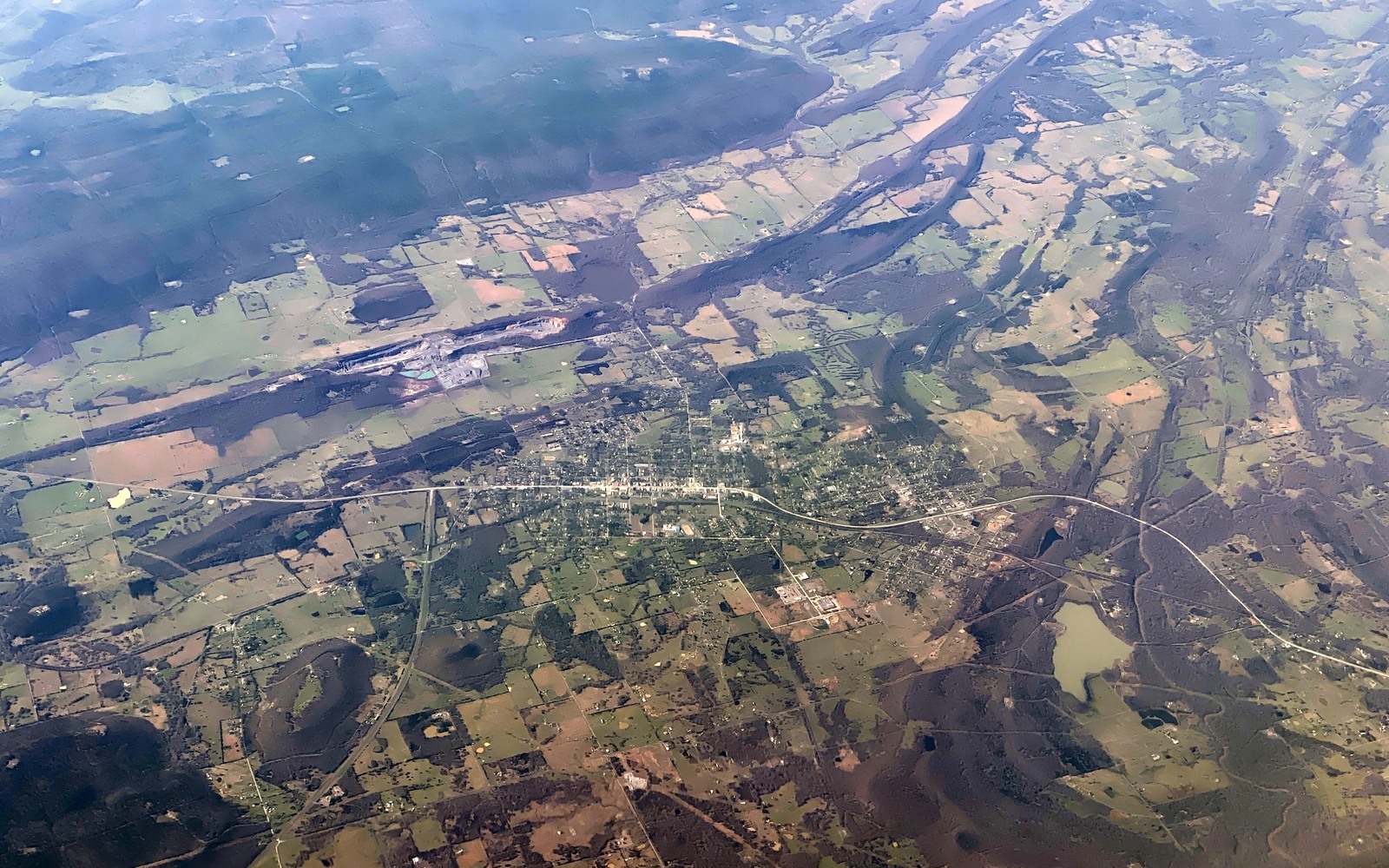
Sell Mineral Rights in Hartshorne, OK
Hartshorne sits in Pittsburg County atop the coal seam that gave rise to Oklahoma's earliest coal-bed methane development, a distinct chapter of this area's oil and gas history that still shapes mineral titles today.
The Hartshorne coal seam became one of the state's first major coal-bed methane targets starting in the 1980s and 90s, meaning mineral interests in this specific area may carry a longer and more technically distinct production history than the Woodford Shale gas that's driven more recent Arkoma Basin activity elsewhere.
For a family holding minerals near Hartshorne, understanding whether your current production comes from coal-bed methane, Woodford Shale gas, or both is a meaningful part of getting an accurate value.
A pioneering coal-bed methane history
Hartshorne-area coal-bed methane wells were among the first of their kind in Oklahoma, targeting gas trapped within the coal seam itself rather than a conventional or shale reservoir. Many of these wells have now produced for decades, meaning some interests here have unusually long, well-documented royalty histories compared to newer Woodford Shale gas positions elsewhere in the basin.
If your family's interest has this kind of long CBM history, that extended record can actually support a more confident valuation, since there's substantial data to model the well's remaining decline against.
Woodford Shale gas as a newer, separate layer
More recent Woodford Shale gas development in this part of Pittsburg County adds a separate, generally newer production layer on top of the area's coal-bed methane history. Where both exist under the same tract, they typically operate under different leases and division orders, meaning your family could hold two genuinely distinct production interests requiring separate evaluation.
Confirming which formation, or formations, are currently paying your family royalty is a necessary step before valuing the full interest.
Selling a mature, well-documented interest
A mature coal-bed methane interest near Hartshorne, well past its initial decline, still represents real ongoing value if it's still producing, priced as a longer, more predictable income tail given how much historical data exists to model against. That predictability can actually work in your favor when negotiating a sale, since a buyer has less uncertainty to price in.
Whether the right move is holding for continued modest income or converting to a lump sum depends on your household's specific needs, but it's a decision you can make with unusually good information given this area's long production record.
Locate the tract in the Oklahoma record
The tract should be reviewed through the county and legal description that control the minerals, not only through a mailing address or city label. Identify the section, township, range, county, operator or payor, current owner, and any OCC cause or order number. Then match the tract to spacing, pooling, well, and title records that actually touch the property.
Read nearby activity without overextending it
A permit, completion, or pooling cause near the tract can provide context, but distance alone does not prove that the same formation, unit, operator plan, or economics apply. Compare legal descriptions, landing zones, unit geometry, first-production dates, and operator chronology. Nearby evidence belongs in the file with its limits clearly stated.
Check the local title path
County recording practices, older reservations, probate history, trust ownership, marital interests, and entity changes can shape the closing path for the tract. Trace deeds and estate records forward to the current owner, then compare that chain with the respondent list, division order, and paid decimal. Curative work should be identified before accepted terms depend on a closing date.
Build the decision from tract-specific facts
A sale range for the tract should separate producing income, leased but undrilled acreage, open minerals, and prospective development. State the records and assumptions supporting each component. The owner can then compare keeping the interest, selling a portion, or conveying the full interest with the order, tract, decimal, title requirements, and written transaction terms visible in one place.
Questions Oklahoma owners ask
What's the difference between coal-bed methane and Woodford Shale gas near Hartshorne?
Coal-bed methane comes from gas trapped in the coal seam itself and has a long history in this specific area; Woodford Shale gas is a separate, generally newer target from a different rock layer. Your division orders will show which applies to your production.
Why does your family's interest have such a long production history?
Hartshorne was one of the earliest coal-bed methane development areas in Oklahoma, so wells here have often been producing since the 1980s or 90s, giving unusually long records to work from.
Is a mature CBM well still worth selling?
Often yes — the long, well-documented history actually supports a more confident valuation of the remaining income stream, even though the well is well past its initial peak.
Could you have both CBM and Woodford Shale gas interests?
Yes, that's common in this part of Pittsburg County. If so, each typically needs to be evaluated separately based on its own lease and production history.
Keep reading before you sign
Sell Mineral Rights in Haywood, OK
Haywood sits in Pittsburg County's Arkoma Basin gas country. What rural, small-tract ownership means for your mineral rights sale decision.
Sell Mineral Rights in Healdton, OK
Healdton sits in Carter County, birthplace of one of Oklahoma's earliest major oil fields, now overlaid with SCOOP Woodford drilling. What that means for you.
Sell Mineral Rights in Helena, OK
Alfalfa County mineral owner near Helena, OK? We evaluate old conventional leases and shallow-shelf tracts against courthouse and OCC records before quoting.