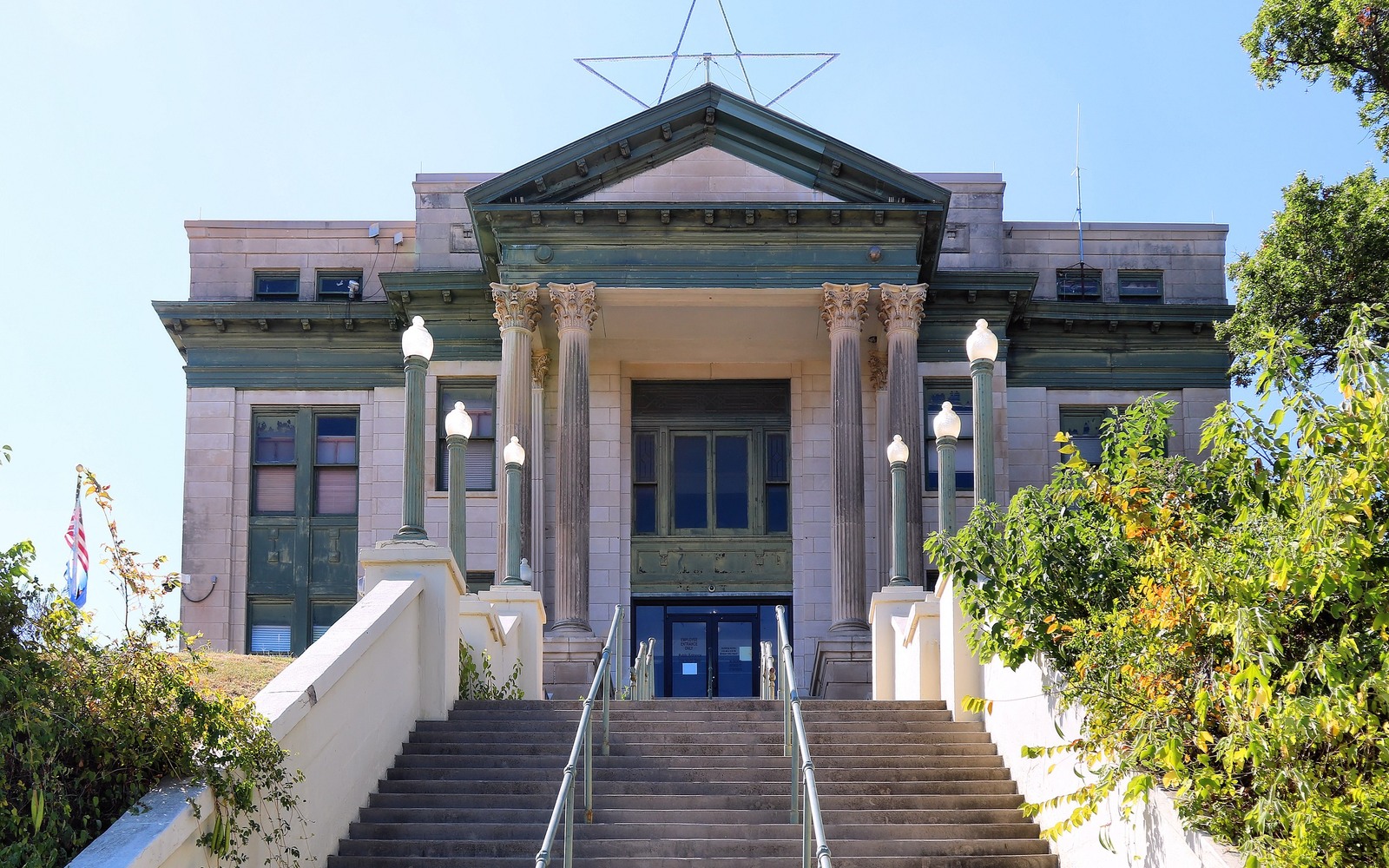
Sell Mineral Rights in Osage County, OK
Osage County runs on a different set of rules than the rest of Oklahoma — the mineral estate under most of the county was reserved to the Osage Nation in 1906, and what many families hold today is a headright interest, not a standard fee mineral deed.
That single fact changes almost everything about how a sale, a transfer, or an estate plan works here. Across the rest of Oklahoma, minerals were severed from the surface parcel by parcel, and owners hold a fee simple mineral interest that transfers by ordinary deed. In Osage County, the tribal government reserved the subsurface across the entire reservation as a communal trust asset when the Osage Allotment Act divided the surface among tribal members in the early 1900s. The result is a headright system: 2,229 original headright shares, still tracked today, entitling the holder to a proportional share of royalty income the Osage Minerals Council collects from leasing across the whole county rather than from one specific tract.
For families who hold a headright through inheritance, or who are weighing what to do with one, that structure means a would-be buyer, an estate attorney, and a title company all need to understand a legal framework most Oklahoma mineral professionals never touch. We work headright transactions specifically because the process is different — federal approval requirements, Bureau of Indian Affairs recordkeeping, and eligibility rules that do not exist anywhere else in the state.
Headrights versus ordinary Oklahoma mineral deeds
A fee mineral owner elsewhere in Oklahoma owns a defined interest under a specific legal description and can lease, sell, or will it like any other real property. A headright owner instead holds a fractional share of the pooled royalty income the Osage Minerals Council distributes from leasing and production across the reservation as a whole, historically through the Council's periodic lease sales rather than a private lease negotiated tract by tract. Because the underlying asset is a share of a tribal trust rather than a private deed, transfers of headright interests are subject to federal oversight that a standard county-clerk mineral deed is not.
Why eligibility and approval matter more here than anywhere else in Oklahoma
Historically, headright ownership carried restrictions tied to Osage lineal descent, and transfers — by sale, gift, or inheritance — have gone through federal probate or approval processes administered with the Bureau of Indian Affairs rather than a simple warranty deed recorded at the county clerk's office. Those rules have been amended over the decades, most notably to address inheritance by non-Osage heirs, but the practical effect for a family today is the same: before any transaction moves forward, it is worth confirming exactly what type of interest you hold, how it was acquired, and what approvals a transfer requires. We would rather spend an extra week confirming that up front than have a transaction stall midway through.
Fee minerals do exist in Osage County too
Not every mineral interest in the county is a headright. Some owners hold conventional fee mineral interests acquired outside the original 1906 reservation — through later transactions, certain patented allotment exceptions, or property that sits just across the county line but is often grouped with Osage County activity in conversation. Those interests transfer the same way minerals do anywhere else in the state, without BIA involvement, so the first step in any Osage County conversation is simply identifying which category an owner's interest falls into before talking about value or process.
What drives value across the reservation's producing areas
Osage County has been continuously producing since the earliest days of Oklahoma's oil industry, and it carries thousands of older, shallow wells alongside newer development in stronger pockets of the county. Because headright income is pooled across the whole reservation rather than tied to one tract, its value tends to move with the county's aggregate production and lease activity rather than any single well's decline curve — a different dynamic than the tract-specific pricing that applies to a fee mineral interest near Pawhuska, Nelagoney, or Prue. We price each type on its own terms rather than applying a single county-wide number to both.
Questions Oklahoma owners ask
What is a headright, exactly?
A headright is a fractional share of the pooled royalty income the Osage Nation collects from oil and gas leasing across Osage County, established when the mineral estate was reserved to the tribe in 1906. It is a share of a communal trust asset, not a deed to minerals under a specific tract, and it is administered with federal involvement through the Bureau of Indian Affairs.
Can anyone buy or inherit a headright?
Eligibility and transfer rules for headrights have changed over the decades and depend on lineage and how the interest was originally acquired. Rather than assume, we help confirm what category of interest a family actually holds and what approval process, if any, applies before structuring a transaction.
Is all Osage County mineral ownership a headright?
No. Some owners hold conventional fee mineral interests that transfer like minerals anywhere else in Oklahoma, without BIA approval. The first step is identifying which type of interest you have, since headrights and fee minerals are valued and transferred through entirely different processes.
How is headright value different from a typical Oklahoma mineral sale?
Because headright income is pooled across the whole reservation rather than tied to a single tract's production, its value tends to track county-wide leasing and production trends rather than one well's decline curve. We evaluate it against that broader pattern rather than the tract-specific comparables used for fee minerals.
Who should you talk to before selling a headright interest?
Given the federal approval layer involved, we recommend involving an attorney familiar with Osage headright transfers early, alongside your own tax advisor for the after-tax side of the decision. We coordinate around that process rather than trying to shortcut it.
Keep reading before you sign
Sell Mineral Rights in Osage, OK
The town of Osage sits within the Osage Nation's reserved mineral estate — a plain explanation of headright ownership for local families weighing a sale.
Sell Mineral Rights in Paoli, OK
Mineral ownership near Paoli, Garvin County, at the edge of the historic Golden Trend field and modern SCOOP horizontal development.
Sell Mineral Rights in Pauls Valley, OK
Garvin County's seat and the Golden Trend field's long production history shape mineral ownership near Pauls Valley — what owners should know before selling.