Sell Mineral Rights in Pauls Valley, OK
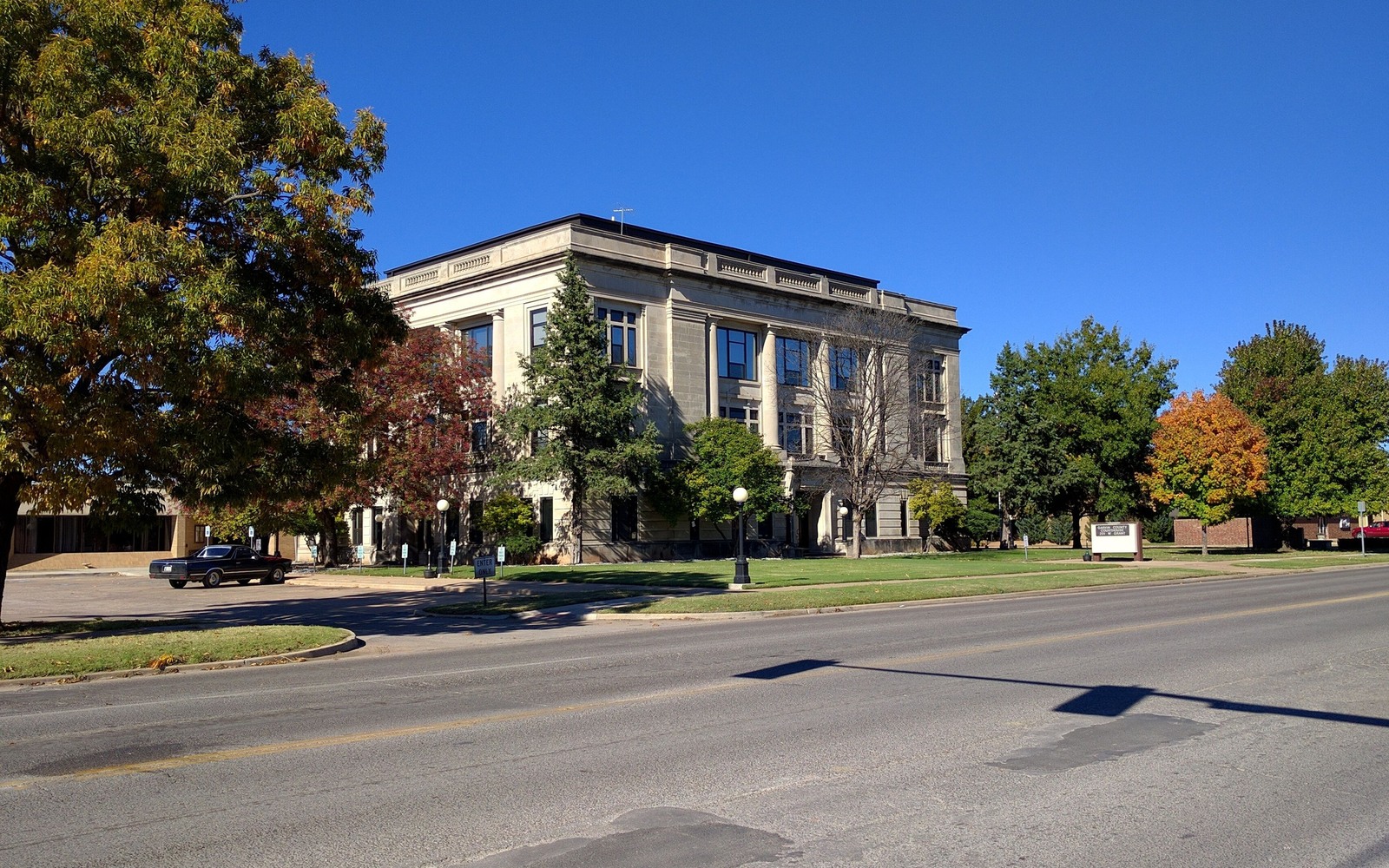
Pauls Valley is the Garvin County seat and the county-clerk records center for a mineral history that stretches back to the Golden Trend discovery, giving most local families an unusually deep paper trail to work from.
That depth of record-keeping is an advantage for anyone weighing a sale. Where some Oklahoma counties have thin or scattered documentation for older interests, Garvin County's courthouse holds decades of lease, division order, and probate records tied to one of the state's longest-producing fields. The challenge is less about proving what you own and more about understanding which of several production eras is currently generating your royalty income, since Pauls Valley acreage has seen renewed SCOOP drilling on top of decades of established Golden Trend output.
A courthouse full of production history
Because Garvin County has produced continuously since the 1940s, Pauls Valley's county clerk records are typically well organized and go back further than in newer plays. That matters directly for a sale: a buyer can verify a family's chain of title and production history more efficiently here than in a county with a shorter or messier record, which tends to shorten the time between an initial offer and a closed transaction.
Layered production from Wilcox to Woodford
The original Golden Trend production came from the Wilcox and Deese sands at relatively shallow depths, and it has been joined over the past decade by SCOOP horizontal wells targeting the much deeper Woodford and Springer shale. A single Pauls Valley-area section can carry royalty interests tied to both eras, sometimes paid by different operators on different statements, and we make sure a family's full production picture is accounted for before discussing a number.
What a long production history means for pricing
An interest with decades of documented, relatively stable production carries a different risk profile than one with only a year or two of history, and that generally supports a more confident valuation rather than a heavily discounted one. We look at the full multi-decade record where it exists rather than anchoring only to the most recent statement, since a long track record is itself a form of evidence about how the interest is likely to behave going forward.
Locate the tract in the Oklahoma record
The tract should be reviewed through the county and legal description that control the minerals, not only through a mailing address or city label. Identify the section, township, range, county, operator or payor, current owner, and any OCC cause or order number. Then match the tract to spacing, pooling, well, and title records that actually touch the property.
Read nearby activity without overextending it
A permit, completion, or pooling cause near the tract can provide context, but distance alone does not prove that the same formation, unit, operator plan, or economics apply. Compare legal descriptions, landing zones, unit geometry, first-production dates, and operator chronology. Nearby evidence belongs in the file with its limits clearly stated.
Check the local title path
County recording practices, older reservations, probate history, trust ownership, marital interests, and entity changes can shape the closing path for the tract. Trace deeds and estate records forward to the current owner, then compare that chain with the respondent list, division order, and paid decimal. Curative work should be identified before accepted terms depend on a closing date.
Build the decision from tract-specific facts
A sale range for the tract should separate producing income, leased but undrilled acreage, open minerals, and prospective development. State the records and assumptions supporting each component. The owner can then compare keeping the interest, selling a portion, or conveying the full interest with the order, tract, decimal, title requirements, and written transaction terms visible in one place.
Questions Oklahoma owners ask
Why does Pauls Valley have such thorough mineral records?
Garvin County has produced continuously from the Golden Trend field since the 1940s, so the county clerk's office holds a longer, more established set of lease, division order, and probate records than many newer-play counties, which generally speeds up title verification.
Could you have interests in both the shallow field and the deep SCOOP wells?
It is common in the Pauls Valley area. The Golden Trend's Wilcox and Deese production sits at shallower depths than the Woodford and Springer targets SCOOP operators drill, and a single tract can carry royalty interests from both.
Does a long production history increase what your interest is worth?
It can support a more confident valuation, since a multi-decade track record gives a buyer more evidence about how the interest is likely to perform than a short history would. We factor the full record in rather than relying on a single recent statement.
Is county paperwork usually straightforward here?
Generally yes, relative to newer-play counties, though multi-generation heirship on older Golden Trend-era interests still needs to be cleared through probate or affidavit before a sale closes.
Keep reading before you sign
Sell Mineral Rights in Pawhuska, OK
Pawhuska, the Osage Nation's headquarters and Osage County seat, is the center of headright administration — what mineral and headright owners should know.
Sell Mineral Rights in Pershing, OK
Pershing sits within the Osage Nation's reserved mineral estate near Skiatook Lake — what headright and fee mineral owners here should understand.
Sell Mineral Rights in Phillips, OK
Phillips, Coal County, sits in the southern Arkoma Basin — a plain look at gas production, ownership patterns, and mineral value in this area.