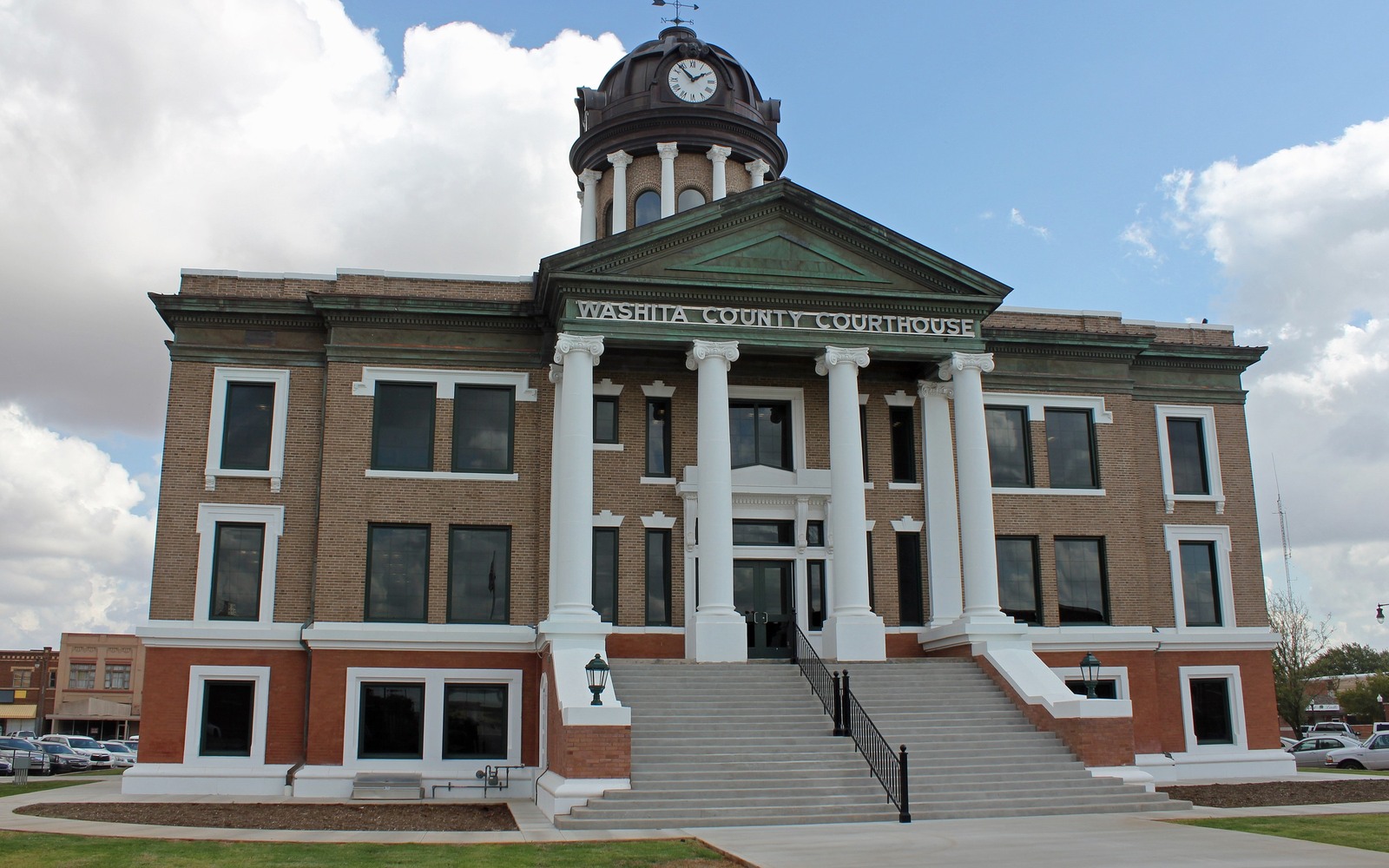
Sell Mineral Rights in Washita County, OK
Washita County holds a genuine piece of drilling history, one of the deepest wells ever completed anywhere in the world, and mineral ownership here still reflects the technical, patient character of that deep-basin legacy.
Washita County, county seat Cordell, sits in the deepest part of the Anadarko Basin's Oklahoma extent, ground that produced the 31,441-foot Bertha Rogers well in 1974, briefly the deepest hole ever drilled anywhere on earth. That record didn't come from a productive gas zone, but it says a lot about how much geology, and how much engineering history, sits under this county.
For a family holding mineral interests here, that history is mostly background. What matters practically is that most current production comes from more conventional depths, decades-old wells with slow, well-understood decline, generating modest but steady royalty income for owners who often inherited fractional interests without much documentation.
The geology, briefly
Washita County's oil and gas comes primarily from deep Anadarko Basin formations, Springer, Chester, and Morrow-age sands among others, that require significant capital and technical expertise to develop. Some of the gas produced at depth here is sour, containing hydrogen sulfide that must be processed before sale, which shows up as gathering and treating deductions on royalty statements.
Because deep wells are expensive, development in this county has historically moved in cycles tied closely to gas prices, rather than the steady, continuous drilling seen in shallower shale plays. That means a Washita County interest's history often includes periods of higher activity followed by long stretches of simple, mature production.
Forced pooling and how it applies here
Like the rest of Oklahoma outside the Osage Mineral Estate, Washita County mineral owners are subject to the Oklahoma Corporation Commission's forced pooling process when an operator wants to drill a unit and can't reach a voluntary lease agreement with every owner. If you've received a pooling notice, it typically offers you a choice among a cash bonus with a royalty, a working interest election, or another statutory option, and it's worth understanding those choices rather than defaulting to whichever is listed first.
Reading a Washita County royalty statement
Your decimal interest, usually a long string like 0.00234567, is the single most reliable number on a statement, representing your actual fractional ownership of the producing unit. Gross value and net payment will move with volume and price each month, but the decimal interest itself should stay constant unless a unit is amended or a new well is added.
Deductions for gathering, compression, dehydration, and treating are common and often larger here than in shallower plays, a function of depth and gas quality rather than an error. If your net check looks small relative to reported production, that's usually why.
Heirship, allotment, and old family land
A significant share of Washita County mineral ownership traces to homestead-era settlement and early-1900s leasing, divided across generations of heirs since. It's common for current owners to hold a small fraction of an original tract, sometimes without clear title, sometimes without ever having seen a recent statement. We work from whatever exists, an old lease, a family name, a legal description, and build the ownership picture from there rather than requiring you to arrive with everything sorted out.
Weighing a sale against continuing to hold
Because Washita County production is mature and its decline behavior is well documented over decades, it's actually one of the more predictable types of interest to value fairly. That predictability cuts both ways: there's little speculative upside to holding for a future boom, but there's also a clear, defensible basis for pricing a sale today against the realistic remaining production tail, discounted honestly rather than optimistically.
Questions Oklahoma owners ask
Is the record-deep Bertha Rogers well still relevant to your mineral value?
Mostly as history. It didn't establish ongoing commercial production and doesn't directly affect current royalty value; most active production comes from more typical depths across the county.
Why are deductions on your statement so much higher than what you have heard from other counties?
Deep, sour Anadarko Basin gas typically requires more processing before it can be sold, and those costs are commonly passed through as deductions. It's standard for this county, not a sign of a problem.
What should you do if you receive a forced pooling notice?
Read the options carefully before responding; you typically have a choice between a cash bonus plus royalty, a working interest election, or another statutory alternative, and the deadline to elect is firm.
How do you handle an interest with unclear or incomplete title?
We work through it using county records, old leases, and probate history where available, and can often structure a sale around gaps rather than requiring you to clear them first.
Should you sell now or keep collecting royalties?
That depends on your family's broader financial picture. We can show you the well's recent production and decline trend so you can compare a realistic hold-value against an after-tax lump sum and decide with real numbers.
Keep reading before you sign
Sell Mineral Rights in Washita, OK
The Washita community sits in Caddo County's Anadarko Basin gas country. We evaluate legacy interests for families deciding whether to hold or sell.
Sell Mineral Rights in Watonga, OK
Watonga, the Blaine County seat, sits at the edge of core STACK acreage. We evaluate royalty interests for families weighing holding against selling.
Sell Mineral Rights in Wayne, OK
Wayne sits in McClain County's SCOOP and Merge acreage. We evaluate royalty interests for families weighing holding against a sale.